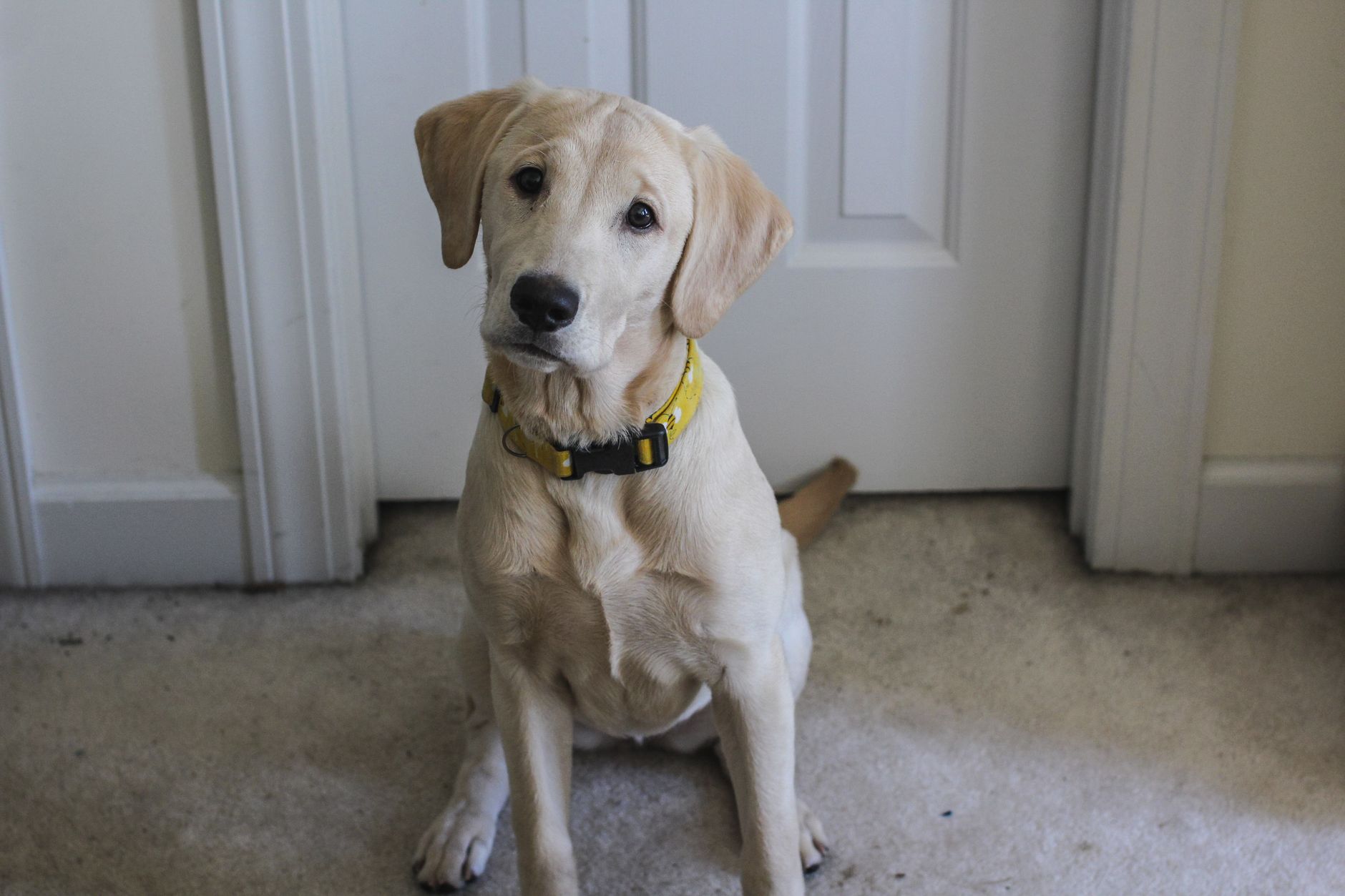
The first few weeks with a puppy are less about perfect obedience and more about creating clear, safe patterns. Start with short practice sessions woven into daily life. Help your puppy learn that their name predicts good things, quiet moments are rewarding, handling is gentle, and household routines are predictable. Keep expectations realistic: puppies need frequent breaks, sleep, and time to adjust. Small, consistent steps lay a foundation you can build on as your puppy grows.
Build a Reliable Name Response
Choose one name and say it in a light, friendly voice when your puppy is nearby and not already focused on something else. The moment they look toward you, mark the response with a word such as “yes,” then offer a small treat or a brief play session. Keep repetitions brief and pause before your puppy loses interest.
Avoid repeating the name when your puppy is unlikely to respond, or using it to scold. Instead, make the exercise easier: move closer, reduce distractions, or wait for a calm moment. Practice in different rooms and at different times. The goal is for your puppy to turn toward you when they hear their name, not to treat the name as a command to come from any distance.
Make Settling Worthwhile
Give your puppy a comfortable resting spot, such as a bed or open crate, in a quiet area where the family spends time. When your puppy lies down or pauses calmly on their own, place a treat between their paws or softly praise them. Reward relaxed behavior before your puppy becomes overtired or starts seeking attention through nipping and wild play.
Plan for plenty of sleep and use a predictable rhythm of waking, bathroom trips, play, meals, and rest. If your puppy struggles to settle, check whether they need to go outside, are hungry, or need a quieter environment. Don’t use the resting space as punishment. A calm spot should feel safe, and settling is a skill that grows through repetition rather than force.
Practice Gentle Handling
Help your puppy get comfortable with everyday care by pairing brief, gentle touches with rewards. Touch a shoulder, offer a treat, then pause. Over time, practice touching paws, ears, and the collar, keeping each step short and easy. Let your puppy move away if they seem worried; returning to a simpler touch helps rebuild comfort.
Use the same gradual approach for grooming tools, a harness, and brief body checks. Show the item, reward calm interest, and stop before your puppy becomes distressed. Avoid pinning or restraining them to complete practice. If a procedure is necessary, ask your veterinarian or a qualified trainer how to handle it safely and with minimal stress.
Create Predictable Home Routines
Set consistent locations and cues for meals, bathroom breaks, rest, and play. Take your puppy outside after waking, eating, drinking, and active play, then reward them promptly for going in the right place. Supervise closely indoors or use a safe, puppy-proof area when you can’t watch. A simple routine makes it easier to notice patterns and prevent avoidable accidents.
Introduce household sounds, visitors, and new surfaces gradually, while keeping your puppy at a comfortable distance and rewarding calm curiosity. Puppy-proof rooms by putting away cords, medications, food, and small objects they might chew or swallow. Everyone in the household should use similar rules and cues, so the puppy gets a clear, consistent picture of what to expect.
In the first few weeks, focus on helping your puppy feel safe and rewarding the behaviors you want to see again. Keep practice short, adjust to your puppy’s comfort, and repeat the same routines each day. For individualized guidance, Coastline Canine can help you plan next steps for your puppy.